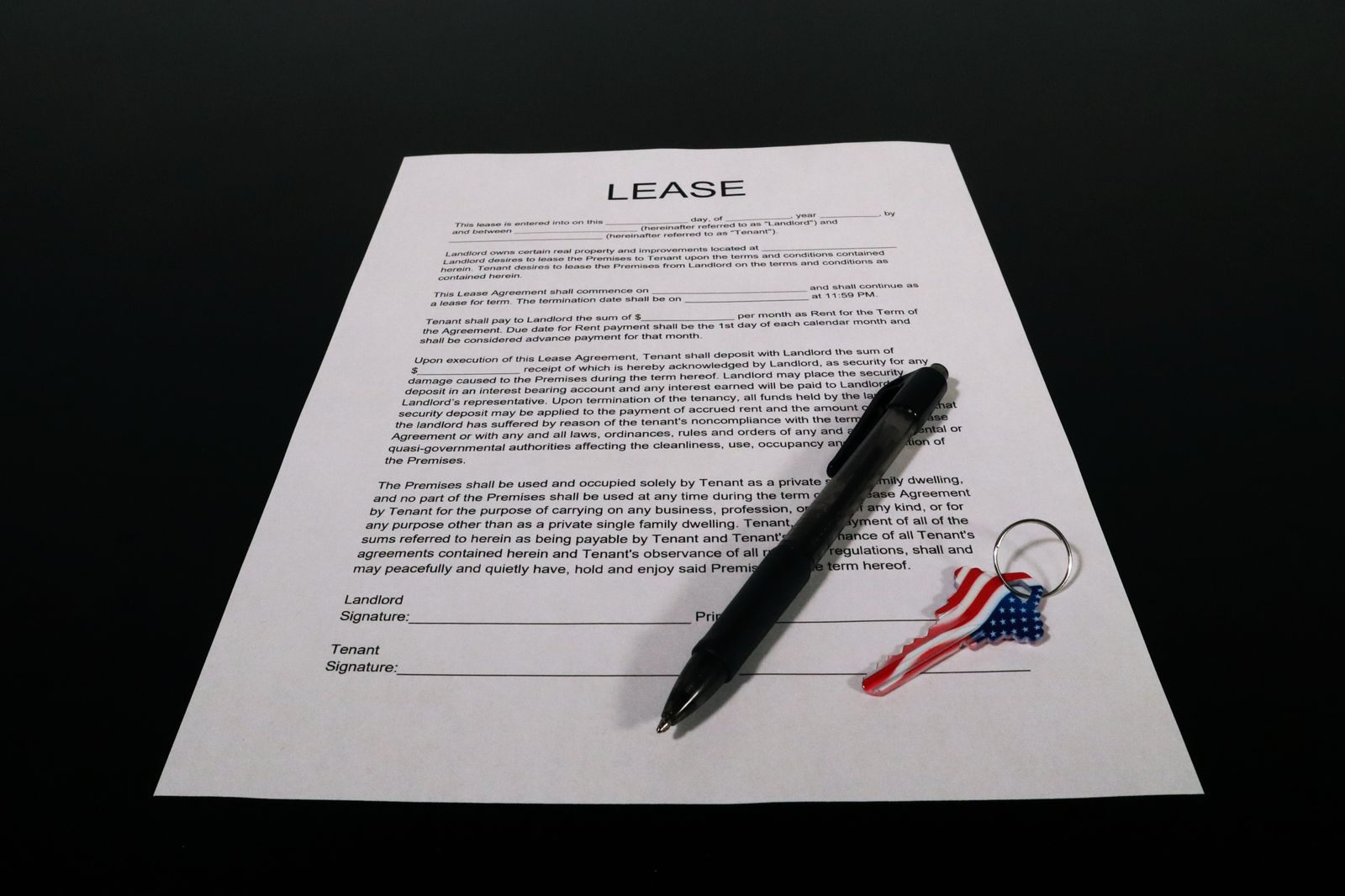
Leasing a new car is like a long-term rental: you pay to use the car for a set period and mileage, then hand it back or buy it. Buying means you own it and can keep it as long as you like. Here is how to decide.
Leasing vs. Buying at a Glance
| Lease | Buy | |
|---|---|---|
| Monthly payment | Often lower | Often higher, if financed |
| Ownership | You return the car (or buy it at the end) | You own it |
| Mileage | Annual limit; extra miles cost money | No limit |
| Wear and tear | Excess wear charged at turn-in | Your choice; affects resale value |
| Customizing | Limited | Unlimited |
| Ending early | Can be expensive | Sell or trade any time |
Lease Terms to Understand
- Capitalized cost: the vehicle price the lease is based on. Negotiate it like a purchase price.
- Residual value: the car’s estimated value at lease end, set by the leasing company.
- Money factor: the finance charge, expressed as a small decimal. Ask for it in writing.
- Mileage allowance: the yearly miles included and the charge for each extra mile.
- Fees: acquisition, disposition and early-termination fees.
At the End of the Lease
When the lease ends you usually have three choices: return the car, buy it for the price set in the contract, or trade it toward another vehicle. Before you return it, compare the buyout price with what similar cars sell for, schedule any pre-inspection the leasing company offers, and fix small damage that would otherwise be charged as excess wear.
Who Leasing Suits
- Drivers who want a new car every few years.
- People who drive predictable, moderate mileage.
- Buyers who prefer to avoid long repair bills after the warranty.
Who Buying Suits
- Drivers who keep cars for many years.
- High-mileage drivers.
- People who want to modify the car or avoid turn-in charges.
Federal law requires lease disclosures in writing; read them before you sign. Ask your tax adviser about any business-use questions.
Frequently Asked Questions
Is leasing cheaper than buying a new car?
A lease often has lower monthly payments because you pay for the car’s expected loss in value over the lease rather than its whole price. Over many years, buying and keeping a car is usually cheaper. Which is better depends on how long you keep cars and how much you drive.
Can I negotiate a lease?
Yes. The vehicle price used in the lease (the capitalized cost) is negotiable, and you should ask for the money factor, residual value, mileage limit and all fees in writing.
Independent guide, not legal or financial advice. We don’t sell cars, rank brands or take referral fees from dealers or lenders. Consumer-protection, tax and lemon laws vary by state; read every document before you sign and check your state attorney general’s office for the rules where you live.
After the Sale
Learn about warranties, recalls and your rights under state lemon laws if a new car keeps breaking down.
Lemon Laws